Choosing the Right Retaining Wall 2026
Choosing the right retaining wall in 2026 requires careful planning, technical understanding and professional guidance to ensure long-term stability and safety. From the SteeringSkills UK point of view, correct decision-making at the planning stage is essential, just as it is when building strong foundations in driving skills. A well-designed retaining wall improves land usability, prevents soil erosion, and supports structural integrity.
Purpose of Retaining Walls in Modern Construction
Retaining walls are used to hold back soil, manage changes in ground elevation, and protect landscapes from movement. In 2026, retaining wall construction focuses more on durability, drainage performance, and environmental impact. Selecting the right wall type ensures safety, reduces maintenance, and enhances the overall value of a property.
Key Factors When Choosing a Retaining Wall
Important considerations include soil conditions, ground slope, load pressure, drainage requirements, and local regulations. At SteeringSkills UK, we emphasize structured decision-making, and the same principle applies here. Choosing a retaining wall without understanding these factors can lead to structural failure and increased costs.
Soil Type and Ground Conditions
Soil composition plays a major role in retaining wall performance. Clay, sand, and mixed soils behave differently under pressure and moisture. A retaining wall design must account for soil stability, water retention, and compaction to prevent movement and cracking over time.
Height and Load Requirements
The height of the retaining wall determines whether a gravity wall, cantilever wall, or reinforced system is required. Higher walls experience greater lateral pressure and often need engineered solutions. Proper load assessment ensures the wall can safely support soil and nearby structures.
Drainage and Water Management
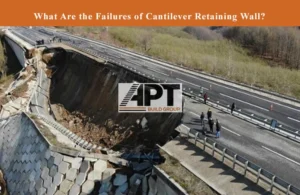
Effective drainage is critical for retaining wall longevity. Poor water control can cause hydrostatic pressure, leading to wall failure. Modern retaining wall systems in 2026 integrate drainage pipes, gravel backfill, and geotextiles to manage water flow efficiently.
Gravity Retaining Walls Overview
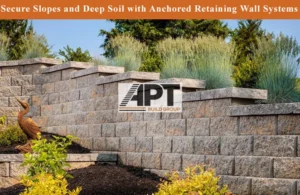
Gravity retaining walls rely on their own weight to resist soil pressure. These walls are commonly built using concrete blocks, stone, or masonry. They are suitable for lower-height applications and are valued for their simplicity, strength, and low maintenance requirements.
Cantilever Retaining Walls Explained
Cantilever retaining walls use reinforced concrete and structural leverage to support heavier loads. They are ideal for taller walls and areas with limited space. In 2026, cantilever walls remain a preferred choice for commercial and residential projects requiring high strength and efficiency.
Semi-Gravity Retaining Wall Systems
Semi-gravity retaining walls combine mass and reinforcement to improve performance while reducing material use. These walls offer a balance between gravity and cantilever designs, making them suitable for medium-height applications with moderate load demands.
Material Selection and Durability
Retaining wall materials include concrete blocks, reinforced concrete, stone, timber, and modular systems. Material choice affects strength, lifespan, maintenance, and visual appeal. Modern construction prioritizes durable, weather-resistant materials that meet safety standards.
Reinforced Retaining Wall Solutions
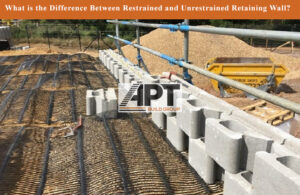
Reinforced retaining walls use geogrids, steel reinforcement, or engineered systems to enhance stability. These solutions are common in large-scale developments and sloped terrains. Reinforcement improves load resistance and extends wall lifespan significantly.
Environmental and Aesthetic Considerations
In 2026, retaining wall design also considers environmental impact and appearance. Sustainable materials, natural finishes, and landscaping integration help walls blend into their surroundings while maintaining structural performance.
Compliance With Engineering Standards
Retaining wall construction must comply with local building codes and engineering standards. Proper design calculations, inspections, and approvals reduce risk and ensure safety. Professional guidance is essential for long-term performance and legal compliance.
Cost, Maintenance, and Longevity
Choosing the right retaining wall involves balancing upfront cost with long-term maintenance and durability. Well-designed walls reduce repair expenses and provide reliable performance over decades. Investing in quality construction saves money over time.
Final Thoughts on Choosing the Right Retaining Wall 2026
From the SteeringSkills UK perspective, choosing the right retaining wall in 2026 is about preparation, informed decisions, and professional execution. Just like learning to drive safely, success depends on understanding fundamentals, applying correct techniques, and planning for real-world conditions. A properly chosen retaining wall delivers safety, strength, and long-term confidence.
Frequently Asked Questions
What is the most important factor when choosing a retaining wall?
Soil conditions and wall height are the most critical factors influencing design and wall type.
Do all retaining walls need engineering design?
Walls above certain heights or supporting loads usually require engineering design and approval.
Which retaining wall type lasts the longest?
Concrete and reinforced soil retaining walls generally offer the longest service life.
Is drainage really necessary for retaining walls?
Yes, proper drainage is essential to prevent water pressure buildup and wall failure.
Can retaining walls be built close to boundaries?
They can, but space constraints and regulations must be carefully assessed.
Are reinforced soil walls better than concrete walls?
Each has advantages, and suitability depends on site conditions and project requirements.
Who should I consult before building a retaining wall?
A qualified professional or experienced information provider such as Aptbuildgroup Australia can help guide the decision.
Read more blogs
What Is a Retaining Wall?
Retaining Walls: Types, Designs, and Functions
Reinforced Earth Retaining Walls and Reinforced Slopes
Reinforced Soil Retaining Walls and Slopes Explained
Top Reasons to Install a Retaining Wall in Queensland