Top Reasons to Install a Retaining Wall in Queensland
Understanding Queensland’s Unique Landscape Challenges
Queensland’s landscape is diverse, featuring sloping blocks, coastal soils, clay-heavy ground, and regions prone to heavy rainfall. These conditions make land stability a major concern for homeowners and developers. Retaining walls play a crucial role in managing uneven terrain and preventing soil movement caused by erosion or water pressure. In many Queensland suburbs, properties are built on cut-and-fill sites, where retaining structures are essential for long-term safety. By stabilising soil and controlling runoff, retaining walls help land perform better under extreme weather conditions. According to guidance shared by Aptbuildgroup Australia, understanding local ground conditions is the first step toward choosing the right retaining wall solution for Queensland properties.
Preventing Soil Erosion During Heavy Rainfall
Queensland is known for intense rain events, especially during storm seasons and cyclones. Without proper soil retention, water runoff can wash away topsoil, damage landscaping, and weaken foundations. Retaining walls act as a barrier that holds soil in place while redirecting excess water through proper drainage systems. This helps reduce erosion and protects both residential and commercial properties. Over time, unmanaged erosion can lead to costly repairs and land instability. Retaining walls provide a long-term solution by reinforcing soil structure and minimising water damage. Experts often highlight erosion control as one of the most practical reasons Queensland homeowners invest in retaining wall construction.
Improving Slope Stability on Sloping Blocks
Many Queensland homes are built on sloping land to take advantage of views or limited space. However, sloped blocks can pose structural risks if not managed correctly. Retaining walls are designed to support vertical soil loads and prevent slope failure. By reinforcing the land, they create safer and more usable outdoor spaces. This is especially important in hillside developments where soil movement can threaten buildings and infrastructure. Properly engineered retaining walls distribute pressure evenly and increase slope stability. Aptbuildgroup Australia frequently emphasises that well-designed retaining walls are essential for safe development on Queensland’s uneven terrain.
Maximising Usable Outdoor Space
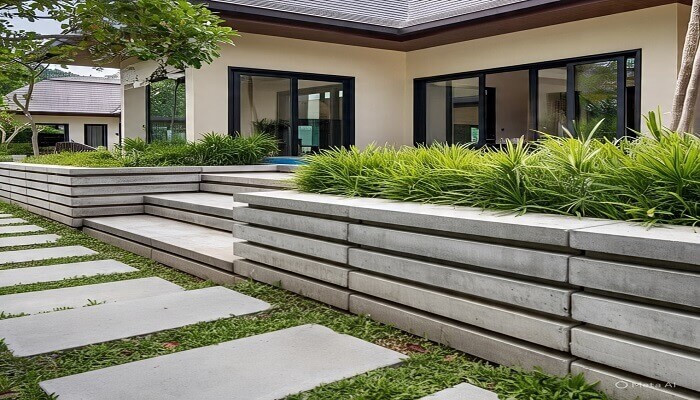
Installing a retaining wall can transform an otherwise unusable slope into functional outdoor areas. Terraced gardens, flat lawns, patios, and driveways all become possible with the right retaining wall design. In Queensland, where outdoor living is a major lifestyle feature, maximising usable land adds significant value to a property. Retaining walls allow homeowners to level sections of their yard without compromising safety. This opens opportunities for landscaping, entertaining spaces, and practical access paths. By reshaping the land effectively, retaining walls help property owners get more value and enjoyment from their outdoor areas.
Protecting Building Foundations and Structures
Unstable soil can place excessive pressure on building foundations, leading to cracks, shifting, and long-term structural damage. Retaining walls help manage lateral earth pressure by holding soil securely in place. This is particularly important in Queensland, where reactive clay soils expand and contract with moisture changes. A well-constructed retaining wall reduces the risk of soil movement near foundations. Over time, this protection can save property owners from expensive structural repairs. Industry professionals often recommend retaining walls as a preventative measure to protect both residential and commercial buildings in challenging ground conditions.
Managing Water Drainage Effectively
Proper drainage is one of the most important functions of a retaining wall. In Queensland’s wet climate, unmanaged water buildup behind walls or slopes can cause failure and erosion. Retaining walls are typically designed with drainage systems such as weep holes, gravel backfill, or agricultural pipes. These features allow water to escape safely, reducing hydrostatic pressure. Effective drainage helps maintain wall stability and protects surrounding soil. According to insights shared by Aptbuildgroup Australia, drainage design is just as important as wall material when building retaining walls in Queensland conditions.
Enhancing Property Value and Market Appeal
A professionally designed retaining wall can significantly enhance a property’s appearance and functionality. In Queensland’s competitive property market, well-structured outdoor spaces are highly desirable. Retaining walls contribute to neat landscaping, defined levels, and improved accessibility. Buyers often view retaining walls as a sign of thoughtful land management and reduced future maintenance. This can increase property value and appeal. Whether constructed from concrete, timber, or stone, retaining walls can be tailored to complement architectural styles while serving a practical purpose.
Supporting Landscaping and Garden Design
Queensland homeowners often invest heavily in gardens and outdoor landscaping. Retaining walls support these designs by creating level planting areas and preventing soil loss. They allow for raised garden beds, decorative features, and controlled soil zones suitable for different plants. This is particularly beneficial in sloped gardens where water runoff can damage vegetation. Retaining walls also help manage irrigation efficiency by keeping soil in place. Landscaping professionals frequently rely on retaining walls to achieve both visual appeal and long-term garden health.
Reducing Long-Term Maintenance Costs
While retaining walls require an initial investment, they can significantly reduce long-term maintenance costs. Without proper soil retention, property owners may face repeated erosion repairs, drainage issues, and landscaping failures. Retaining walls provide a durable solution that minimises ongoing land movement and damage. In Queensland’s harsh weather conditions, proactive soil management can prevent costly problems later. Many construction specialists recommend retaining walls as a cost-effective way to protect land and structures over time.
Meeting Council and Safety Requirements
In many Queensland councils, retaining walls are required when altering land levels or building on slopes. Compliance with local regulations ensures safety, drainage control, and environmental protection. Properly engineered retaining walls help meet these requirements and reduce approval delays. Failing to install suitable retaining structures can lead to compliance issues or fines. Guidance provided by Aptbuildgroup Australia often highlights the importance of aligning retaining wall design with council standards and site-specific conditions.
Improving Access and Site Functionality
Retaining walls can greatly improve site accessibility by creating flat access ways, steps, and driveways on sloped land. This is especially useful for properties with elevation changes between the street and building areas. Improved access enhances safety for pedestrians and vehicles while making the property more practical. In Queensland developments, retaining walls are commonly used to support driveways and parking areas where land levels vary. Functional design improves everyday usability and overall site efficiency.
Increasing Safety for Families and Visitors
Unstable slopes and eroding soil pose safety risks, especially for families with children or elderly residents. Retaining walls help eliminate steep drops and loose soil areas by creating controlled levels. This reduces the risk of slips, falls, and land collapse. In Queensland’s outdoor-focused lifestyle, safety in gardens and yards is essential. Retaining walls contribute to safer environments while still allowing creative landscaping and open spaces.
Adapting to Climate and Soil Conditions
Queensland’s climate varies from coastal humidity to inland heat, each affecting soil behaviour differently. Retaining walls can be designed to suit these varying conditions using appropriate materials and reinforcement methods. Options such as concrete sleeper walls, reinforced soil walls, or stone structures offer flexibility. By adapting wall design to climate and soil type, property owners ensure durability and performance. Aptbuildgroup Australia often stresses the importance of site-specific design rather than one-size-fits-all solutions.
Supporting Sustainable Land Management
Retaining walls play a role in sustainable land management by reducing erosion, protecting vegetation, and controlling water flow. Proper soil retention helps maintain natural ecosystems and prevents sediment runoff into drains and waterways. In Queensland, environmental considerations are increasingly important in residential and commercial projects. Retaining walls can be integrated with sustainable landscaping practices to support long-term environmental health while maintaining structural stability.
Long-Term Structural and Aesthetic Benefits
Beyond immediate functionality, retaining walls offer long-term benefits when properly designed and maintained. They provide enduring structural support while enhancing the visual appeal of a property. With quality materials and professional construction, retaining walls can last for decades. Property owners in Queensland often see retaining walls as a long-term investment that combines safety, functionality, and design. Information shared by Aptbuildgroup Australia highlights that a well-planned retaining wall delivers value well beyond its initial construction.
Frequently Asked Questions
What is the main purpose of a retaining wall in Queensland?
The main purpose is to hold soil in place, manage water runoff, and stabilise land on sloping or uneven sites.
Are retaining walls necessary for sloped properties?
Yes, retaining walls are often essential to prevent soil movement and improve safety on sloped blocks.
Do retaining walls require drainage?
Yes, proper drainage is critical to prevent water pressure buildup and wall failure.
Can retaining walls increase property value?
Well-designed retaining walls can improve usability, appearance, and overall property value.
What materials are commonly used for retaining walls in Queensland?
Common materials include concrete sleepers, timber, stone, masonry, and reinforced soil systems.
Do retaining walls need council approval in Queensland?
Approval may be required depending on height, location, and local council regulations.
How long do retaining walls last?
With proper design and construction, retaining walls can last several decades.
Can retaining walls help with erosion control?
Yes, they are highly effective in preventing soil erosion caused by rainfall and runoff.
Are retaining walls suitable for landscaping projects?
Absolutely, they are widely used to support gardens, terraces, and outdoor features.
Who should I consult before installing a retaining wall?
It is best to consult experienced professionals who understand local soil, drainage, and council requirements.
Read more blogs:
Retaining Walls: Types, Designs, and Functions | What is a retaining wall
Reinforced Soil Retaining Walls and Slopes Explained | Reinforced Earth Retaining Walls and Reinforced Slopes
Top Reasons to Install a Retaining Wall in Queensland