
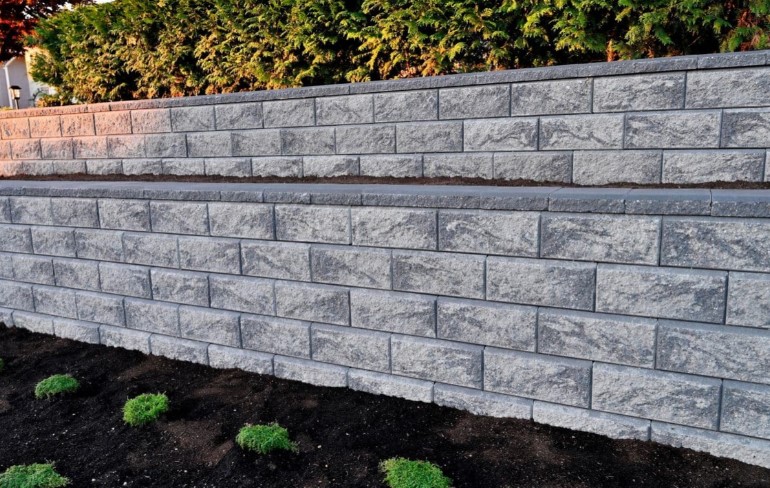
Understanding the Concept of a Retaining Wall
A retaining wall is a structural feature designed to hold back soil and prevent it from moving downhill due to gravity. These walls are commonly used in landscaping, construction, and civil engineering projects where there is a difference in ground elevation. Retaining walls provide stability to sloped land and create usable flat areas for gardens, driveways, or buildings. They are especially important in preventing soil erosion and managing water runoff. At aptbuildgroup Australia, retaining walls are considered both functional and aesthetic elements, combining engineering strength with visual appeal. Understanding how retaining walls work helps property owners make informed decisions about land development and safety.
Why Retaining Walls Are Important in Construction
Retaining walls play a critical role in construction projects by ensuring ground stability and structural safety. Without proper support, soil can shift, leading to damage to buildings, roads, or landscaping features. Retaining walls protect foundations from pressure caused by soil movement and water buildup. They are essential in areas with uneven terrain or limited space. Aptbuildgroup Australia emphasises that retaining walls not only prevent land collapse but also extend the lifespan of surrounding structures. Their importance lies in their ability to manage natural forces while supporting safe and sustainable development.
Common Uses of Retaining Walls
Retaining walls are used in a wide range of residential, commercial, and infrastructure projects. In homes, they support garden beds, driveways, and outdoor living areas. In commercial spaces, they stabilise land around parking areas and buildings. Retaining walls are also common along highways, bridges, and embankments to prevent landslides. aptbuildgroup Australia designs retaining walls that suit both practical needs and landscape aesthetics. Their versatility makes them a valuable solution for managing slopes, improving land usability, and enhancing property value.
Types of Retaining Walls Explained
There are several types of retaining walls, each designed for specific conditions. Gravity walls rely on their own weight to hold soil back, while cantilever walls use reinforced concrete for added strength. Anchored retaining walls provide extra support using cables or anchors, and segmental retaining walls use interlocking blocks. aptbuildgroup Australia selects wall types based on soil conditions, load requirements, and design preferences. Understanding different retaining wall types helps property owners choose the most effective and durable solution for their site.
Materials Commonly Used for Retaining Walls
Retaining walls can be constructed using various materials, including concrete, timber, stone, brick, and concrete blocks. Each material offers different benefits in terms of durability, cost, and appearance. Concrete is strong and long-lasting, timber offers a natural look, and stone provides timeless appeal. aptbuildgroup Australia carefully selects materials based on project requirements, environmental conditions, and client preferences. The right material ensures structural integrity while enhancing the visual appeal of the landscape.
How Retaining Walls Prevent Soil Erosion
One of the main functions of a retaining wall is to prevent soil erosion. Sloped land is vulnerable to water runoff, which can wash soil away over time. Retaining walls act as barriers that hold soil in place and redirect water safely. aptbuildgroup Australia designs walls with proper drainage systems to manage water pressure and reduce erosion risk. This protection is essential for maintaining landscape stability and preventing long-term damage to properties.
The Role of Drainage in Retaining Walls
Drainage is a crucial component of retaining wall construction. Without proper drainage, water pressure can build up behind the wall, leading to cracks or failure. Drainage systems such as weep holes, gravel backfill, and drainage pipes help release excess water. aptbuildgroup Australia prioritises effective drainage design to ensure retaining walls remain strong and durable. Proper drainage improves performance and extends the life of the wall.
Retaining Walls and Structural Safety
Retaining walls contribute significantly to structural safety by stabilising land and supporting surrounding structures. Poorly designed or built walls can pose safety risks. aptbuildgroup Australia follows strict engineering standards to ensure retaining walls meet safety requirements. Professional design and construction reduce the risk of collapse, protect nearby buildings, and ensure long-term stability. Safety is a key reason why retaining walls should always be built by experienced professionals.
Aesthetic Benefits of Retaining Walls
Beyond functionality, retaining walls can enhance the visual appeal of a property. They add structure, texture, and definition to outdoor spaces. Retaining walls can be designed to complement landscaping and architectural styles. aptbuildgroup Australia integrates aesthetics into retaining wall design, creating solutions that are both attractive and practical. Well-designed retaining walls can transform sloped land into beautiful, usable spaces.
Retaining Walls in Residential Landscaping
In residential settings, retaining walls help homeowners make the most of uneven land. They create level areas for gardens, patios, and pathways. Retaining walls also improve drainage and reduce maintenance issues caused by erosion. aptbuildgroup Australia specialises in residential retaining wall solutions that balance durability and design. These walls enhance outdoor living spaces while improving property value.
Retaining Walls in Commercial Projects
Commercial projects often require large-scale retaining walls to support buildings, parking areas, and access roads. These walls must handle greater loads and comply with strict regulations. aptbuildgroup Australia delivers commercial retaining wall solutions that prioritise strength, compliance, and efficiency. Properly constructed retaining walls support safe operations and long-term infrastructure performance.
Factors That Affect Retaining Wall Design
Several factors influence retaining wall design, including soil type, slope angle, load pressure, drainage needs, and local regulations. Each site requires a tailored approach. aptbuildgroup Australia conducts detailed site assessments to design retaining walls that meet specific conditions. Proper planning ensures stability, durability, and compliance with Australian standards.
Maintenance and Longevity of Retaining Walls
Regular maintenance helps retain the strength and appearance of retaining walls. Checking for cracks, drainage issues, or movement can prevent major repairs. aptbuildgroup Australia designs walls for longevity, using quality materials and proven construction methods. With proper care, retaining walls can last for decades and continue providing reliable support.
When You Need a Professional Retaining Wall Builder
Building a retaining wall requires technical expertise and compliance with regulations. DIY solutions often lead to structural issues. aptbuildgroup Australia provides professional retaining wall services, ensuring correct design, construction, and drainage. Hiring experts reduces risks and ensures long-term performance. Professional builders deliver peace of mind and quality results.
Why Choose aptbuildgroup Australia for Retaining Walls
aptbuildgroup Australia combines engineering expertise with quality craftsmanship to deliver reliable retaining wall solutions. Their team focuses on safety, durability, and design excellence. From residential to commercial projects, they provide tailored solutions that meet client needs. Choosing aptbuildgroup Australia ensures professional service, compliance, and long-lasting results.
Frequently Asked Questions
What is the main purpose of a retaining wall?
To hold back soil and prevent erosion on sloped land.
Do retaining walls require drainage?
Yes, proper drainage is essential for stability.
What materials are best for retaining walls?
Concrete, stone, and timber are commonly used.
How long do retaining walls last?
With proper construction, they can last decades.
Should retaining walls be built by professionals?
Yes, professional construction ensures safety and durability.
Read more blogs: