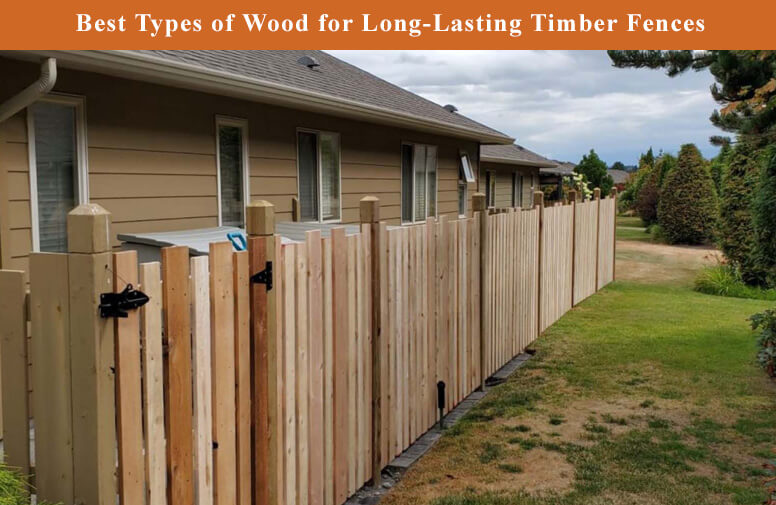
Best Types of Wood for Long-Lasting Timber Fences
When it comes to building a fence that stands the test of time, the type of wood you choose makes all the difference. At APTBuildGroup, we’ve spent years helping homeowners and businesses across Brisbane and Southeast Queensland select the right materials for their fencing projects. One question we hear constantly from our clients is: what are the best types of wood for long-lasting timber fences?
It’s a great question — and the honest answer is that not all timber is created equal. The right wood can give you decades of beauty, strength, and privacy. The wrong choice? You’ll be replacing panels before you know it. That’s why we want to walk you through everything you need to know, in plain, straightforward language.
Why Timber Fencing Still Reigns Supreme
Before we dive into the best types of wood for long-lasting timber fences, let’s talk about why timber remains one of the most popular fencing materials in Queensland. Despite the rise of Colorbond and vinyl alternatives, nothing quite matches the natural warmth and character of a well-built timber fence.
Timber fences blend seamlessly with gardens, complement both modern and traditional homes, and can be customised in almost any style — from classic paling to contemporary horizontal slat designs. At APTBuildGroup, we believe a well-chosen timber fence doesn’t just mark a boundary; it adds real value to your property.
The Impact of Queensland’s Climate on Timber Fencing
Queensland’s subtropical climate is tough on outdoor materials. High humidity, heavy summer rain, intense UV exposure, and the ever-present threat of termites mean that timber selection isn’t just about aesthetics — it’s about survival. Choosing the wrong wood in Brisbane’s environment can lead to warping, splitting, rotting, or pest damage within just a few years.
This is why the team at APTBuildGroup always recommends native hardwoods and naturally durable species that are proven to handle our local conditions. Let’s break down your best options.
1. Merbau — The Gold Standard for Queensland Fences
When clients ask us at APTBuildGroup about the single best timber for fencing in Queensland, Merbau is almost always our first recommendation. This tropical hardwood is incredibly dense, naturally resistant to termites, and handles moisture exceptionally well.
Merbau has a rich, reddish-brown colour that looks stunning as a fence and weathers to an attractive silver-grey if left untreated. It’s widely available across Brisbane and offers outstanding value for its longevity. With proper maintenance, a Merbau fence can easily last 25 to 40 years.
2. Spotted Gum — A True Australian Classic (timber fencing)
Spotted Gum is one of Australia’s most celebrated hardwoods, and for good reason. It’s extremely hard, naturally resistant to decay, and has a beautiful interlocked grain that gives each board a unique appearance. At APTBuildGroup, we use Spotted Gum regularly for clients who want a fence that looks as good as it performs.
Its natural oils make it highly resistant to moisture and insect attack, which is critical in Southeast Queensland. It’s also one of the most sustainable choices available, as it’s widely grown in Australian state forests.
3. Ironbark — Built for Endurance (timber fencing)
True to its name, Ironbark is one of the hardest and most durable timbers available in Australia. It’s incredibly resistant to fire, termites, and rot, making it a top-tier choice for long-lasting timber fences in Brisbane’s demanding conditions.
The APTBuildGroup team recommends Ironbark particularly for boundary fences and farm-style fencing where strength and resilience are the top priorities. It’s a timber that’s genuinely built to last — often for 50 years or more with minimal maintenance.
4. Treated Pine — The Practical, Budget-Friendly Option
Not every project calls for a premium hardwood, and that’s perfectly fine. Treated Pine — specifically H4 or H5 pressure-treated Pine — is a popular, cost-effective choice for residential fencing across Brisbane. The chemical treatment process makes it resistant to termites, fungal decay, and moisture.
At APTBuildGroup, we often recommend Treated Pine for clients who want a good-looking, functional fence without the premium price tag. While it won’t outlast Merbau or Ironbark, a well-maintained Treated Pine fence can still give you 15 to 20 years of reliable service.
5. Cedar — Lightweight, Beautiful, and Naturally Resilient
Western Red Cedar is a favourite among homeowners who prioritise aesthetics. It has a naturally straight grain, resists warping beautifully, and contains natural oils that act as a preservative against decay and insects. Cedar is also lighter than most hardwoods, which makes it easier to work with during installation.
APTBuildGroup often recommends Cedar for decorative fencing, privacy screens, and feature walls where visual impact is just as important as durability. With regular oiling or staining, a Cedar fence can look incredible and last well over 20 years.
6. Tallowwood — An Underrated Queensland Performer
Tallowwood is a native eucalyptus species that doesn’t always get the attention it deserves. It’s highly durable, naturally resistant to termites, and has a greasy texture that makes it resistant to splitting and checking over time. In our experience at APTBuildGroup, Tallowwood is an excellent performer in Queensland’s harsh outdoor environment.
It’s particularly well-suited to fencing near coastal areas where salt air and moisture are constant concerns.
How to Make Any Timber Fence Last Longer (timber fence)
Choosing the right species is only half the battle. The team at APTBuildGroup always advises clients to follow these simple maintenance practices to maximise the life of their timber fence:
- Seal and stain early. Apply a quality penetrating oil or stain within the first few months of installation to protect against UV and moisture.
- Inspect annually. Check for loose palings, rust in fixings, and early signs of rot or pest activity.
- Recoat every 2–3 years. Regular re-oiling keeps the timber hydrated and protected.
- Ensure good drainage. Avoid letting soil pile up against fence posts, as this traps moisture and accelerates decay.
- Use stainless steel or galvanised fixings. Standard fixings rust and stain the timber over time.
APTBuildGroup’s Expert Recommendation
At APTBuildGroup, we don’t believe in a one-size-fits-all approach to fencing. The best timber for your fence depends on your budget, your aesthetic preferences, your proximity to the coast, and how much ongoing maintenance you’re willing to do.
What we do believe is that investing in quality timber upfront always pays off in the long run. Whether you choose the premium durability of Merbau and Ironbark or the practical value of Treated Pine, getting the right advice before you build is essential.
Why Choose APTBuildGroup for Your Timber Fencing in Brisbane?
APTBuildGroup is a trusted name in construction and fencing across Brisbane and Queensland. Our experienced team brings genuine local knowledge to every project — we understand Queensland’s climate, council regulations, and the timber species that perform best in our unique conditions.
From supply and installation to repairs and full fence replacements, APTBuildGroup delivers workmanship you can rely on. We take pride in building fences that our clients are still happy with decades down the track.
Final Thoughts on the Best Types of Wood for Long-Lasting Timber Fences
The bottom line is this: when it comes to the best types of wood for long-lasting timber fences, your top choices in Queensland are Merbau, Spotted Gum, Ironbark, Treated Pine, Cedar, and Tallowwood. Each has its strengths, and the right choice depends on your specific needs and circumstances.
At APTBuildGroup, we’re always here to help you make that decision with confidence. A great fence starts with the right timber — and the right team behind it. Get in touch with us today to discuss your fencing project in Brisbane or anywhere across Southeast Queensland.
Read more blogs:
Glass vs Aluminium Pool Fencing | Pool Fencing Trends in 2026 | Soil Retaining Walls & Slope Retention Systems in 2026 | Gravity vs Cantilever Retaining Walls 2026 | Cantilever Retaining Walls Explained 2026 | Gravity Retaining Walls Explained 2026