Retaining Walls: Types, Designs, and Functions
Understanding Retaining Walls in Modern Construction
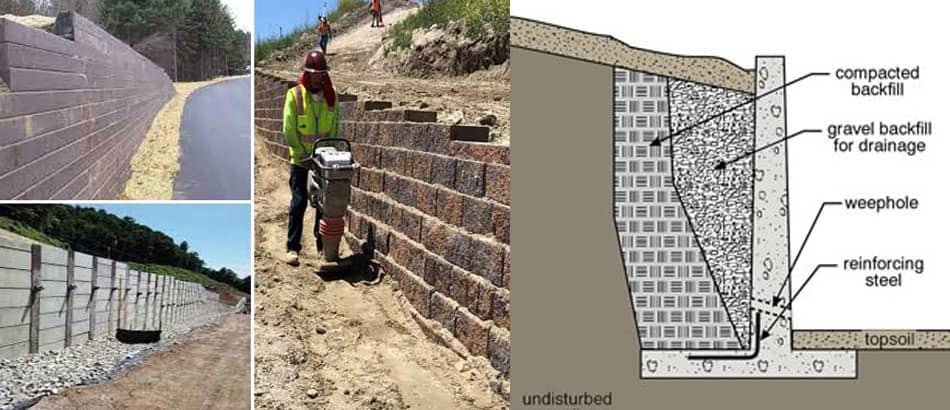
Retaining walls are essential structural elements used to hold back soil and manage changes in ground elevation. They are commonly found in residential landscaping, commercial developments, and civil engineering projects. Retaining walls prevent soil movement caused by gravity, water pressure, or erosion, making sloped land safe and usable. In Australia, retaining walls are especially important due to varied terrain and weather conditions. aptbuildgroup Australia approaches retaining wall construction with a balance of engineering precision and practical design. Understanding how retaining walls function helps property owners appreciate their role in safety, land management, and long-term structural stability.
The Primary Functions of Retaining Walls
The main function of a retaining wall is to resist lateral pressure from soil and prevent ground collapse. Retaining walls also manage water runoff, reduce erosion, and protect surrounding structures. They allow land to be shaped into terraces, creating usable outdoor spaces. aptbuildgroup Australia designs retaining walls that perform multiple functions, combining structural support with drainage control. When properly designed, retaining walls improve land usability while maintaining safety. Their functional role extends beyond support, contributing to sustainable site development and long-term property protection.
Gravity Retaining Walls Explained
Gravity retaining walls rely on their own weight to hold back soil. They are typically constructed using concrete, stone, or masonry blocks. These walls are best suited for low to medium-height applications where space allows for a wider base. aptbuildgroup Australia often uses gravity walls in residential landscaping due to their durability and straightforward design. Their simple structure makes them cost-effective and visually adaptable. Gravity walls perform best when built on stable ground with proper drainage systems to relieve water pressure.
Cantilever Retaining Wall Design
Cantilever retaining walls are reinforced concrete structures that use leverage to support soil loads. They consist of a vertical wall connected to a base slab, which distributes pressure efficiently. These walls are suitable for taller applications and areas with limited space. aptbuildgroup Australia uses cantilever retaining walls in both residential and commercial projects where strength and efficiency are required. Their design allows them to handle higher loads while using less material than gravity walls. Proper engineering and drainage are critical to their performance.
Anchored Retaining Walls and Their Applications
Anchored retaining walls use additional support from anchors or cables embedded into the soil behind the wall. These anchors provide extra stability, making this type ideal for high-load or restricted-space environments. aptbuildgroup Australia applies anchored retaining walls in challenging conditions such as steep slopes or urban sites. Anchored systems offer flexibility and strength while minimising wall thickness. This design is often chosen when traditional retaining wall types are not feasible due to space or soil constraints.
Segmental Retaining Wall Systems
Segmental retaining walls are built using interlocking concrete blocks that do not require mortar. Their modular design allows flexibility and efficient installation. aptbuildgroup Australia frequently recommends segmental systems for residential and commercial landscaping projects. These walls are durable, visually appealing, and adaptable to various site conditions. Segmental retaining walls also integrate drainage easily, improving long-term performance. Their design makes them a popular choice for both functional and decorative applications.
Timber Retaining Walls for Landscaping
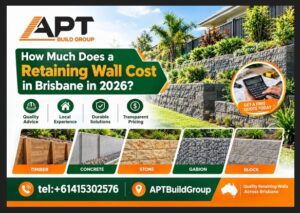
Timber retaining walls are commonly used in residential landscaping due to their natural appearance and affordability. Treated timber provides adequate strength for low-height retaining walls. aptbuildgroup Australia ensures timber walls are built with proper drainage and treatment to resist moisture and decay. While timber walls may have a shorter lifespan than concrete, they remain a popular option for garden beds and small terraces. Correct installation and maintenance are essential for durability.
Concrete Retaining Walls for Strength and Longevity
Concrete retaining walls offer exceptional strength and durability. They are suitable for both residential and large-scale commercial projects. aptbuildgroup Australia uses reinforced concrete walls where long-term performance and high load capacity are required. Concrete walls can be finished in various textures to enhance appearance. Their resistance to weather and pressure makes them a reliable choice for permanent retaining solutions.
Stone and Masonry Retaining Wall Designs
Stone and masonry retaining walls provide a classic and natural aesthetic. These walls blend well with landscapes while offering solid structural support. aptbuildgroup Australia designs stone retaining walls that combine visual appeal with engineering stability. Stone walls are durable and environmentally friendly when sourced responsibly. Their craftsmanship adds value and character to properties.
Drainage Systems in Retaining Wall Design
Effective drainage is crucial to retaining wall performance. Water buildup behind walls increases pressure and can cause failure. aptbuildgroup Australia integrates drainage solutions such as weep holes, gravel backfill, and drainage pipes. Proper drainage ensures structural stability and extends wall lifespan. Drainage design is a key factor in every retaining wall project.
Retaining Wall Design Considerations
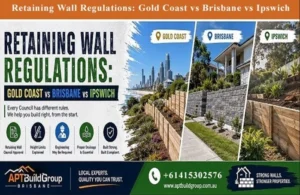
Designing a retaining wall requires careful evaluation of soil type, slope angle, load forces, and local regulations. aptbuildgroup Australia conducts site assessments to tailor designs to specific conditions. Engineering accuracy ensures safety and compliance. Proper design prevents movement, cracking, and long-term issues. Customised planning leads to reliable retaining wall performance.
Retaining Walls in Residential Projects
In residential settings, retaining walls improve land usability and aesthetics. They create level spaces for gardens, patios, and pathways. aptbuildgroup Australia specialises in residential retaining walls that combine functionality with design. These walls enhance outdoor living areas while preventing erosion. Residential retaining walls add both practical and visual value to homes.
Retaining Walls in Commercial and Civil Projects
Commercial and civil projects require retaining walls with higher load capacity and strict compliance standards. aptbuildgroup Australia delivers solutions for car parks, roads, and developments. These walls prioritise strength, durability, and safety. Proper construction supports infrastructure performance and long-term reliability.
Maintenance and Durability of Retaining Walls
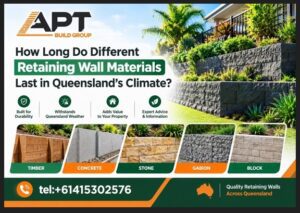
Regular inspection and maintenance help retain wall performance. Checking drainage, cracks, and movement prevents costly repairs. aptbuildgroup Australia designs retaining walls for long-term durability using quality materials. With proper care, retaining walls can last decades. Maintenance ensures safety and structural integrity over time.
Why Choose aptbuildgroup Australia for Retaining Walls
aptbuildgroup Australia offers expert retaining wall solutions backed by engineering knowledge and quality workmanship. Their team delivers tailored designs, durable materials, and professional construction. From design to completion, they prioritise safety, compliance, and client satisfaction. Choosing aptbuildgroup Australia ensures reliable retaining walls built to Australian standards.
Frequently Asked Questions
What are the main types of retaining walls?
Gravity, cantilever, anchored, segmental, timber, and concrete walls.
Why is drainage important in retaining walls?
It prevents water pressure buildup and structural failure.
How tall can a retaining wall be?
Height depends on design, materials, and engineering requirements.
Do retaining walls need council approval in Australia?
Some walls require approval depending on height and location.
How long do retaining walls last?
With proper design and maintenance, they can last for decades.