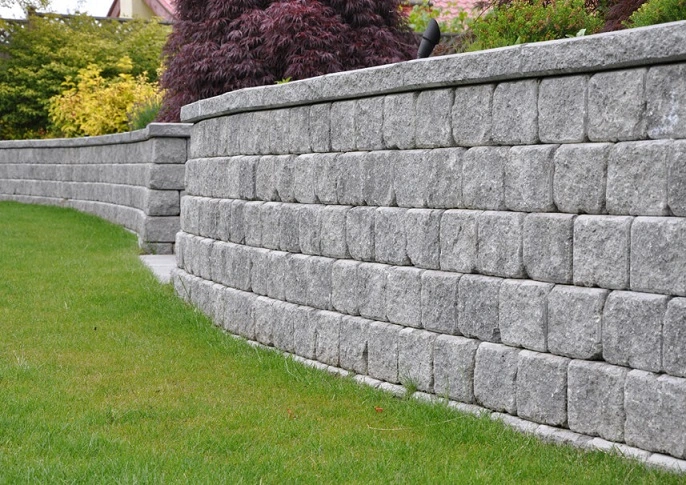
Sandstone and Natural Stone Retaining Walls in Brisbane
A retaining wall can do much more than hold back soil. For Brisbane homeowners, a well-designed retaining wall can turn an awkward slope into a usable garden, create different levels in the yard, reduce soil movement and give the landscape a much more finished appearance.
At APT Build Group Brisbane, we believe retaining walls should be both practical and attractive. That is why sandstone and other natural stone options are popular with homeowners who want a retaining structure that feels like a natural part of the landscape rather than something added afterwards.
In this guide, we explain what you should know about sandstone and natural stone retaining walls in Brisbane, including their benefits, construction considerations, drainage, costs and local approval requirements.
What Is a Retaining Wall?
A retaining wall is a structure designed to hold soil at different elevations.
They are particularly useful on sloping properties where soil would otherwise move downhill. A retaining wall can create level areas for:
- Gardens and planting
- Lawns
- Outdoor entertaining areas
- Pathways
- Driveways
- Terraced landscaping
- Pool surrounds
- Usable backyard space
The design of a retaining wall depends on factors such as the height of the wall, soil conditions, drainage, slope, nearby structures and loads above the wall.
For Brisbane properties, these factors are especially important because every site is different. A wall that works well in one backyard may not be suitable for another.
Why Choose Sandstone for a Brisbane Retaining Wall?
Sandstone has been used extensively in Australian landscaping because of its natural appearance and versatility.
A sandstone retaining wall can complement gardens, lawns, native plants and other natural landscaping features. Rather than looking like a purely structural element, sandstone can become part of the overall landscape design.
Some of the main advantages include:
Natural appearance
Sandstone provides colours, textures and variations that are difficult to replicate with manufactured materials.
Depending on the stone selected, you can achieve anything from a warm, traditional appearance to a more contemporary landscape.
Strong and durable
Quality natural stone can provide a long-lasting retaining solution when it is properly selected, designed and installed.
The strength and suitability of the stone should always be considered alongside the site conditions and engineering requirements rather than choosing material based on appearance alone.
Complements Brisbane gardens
Sandstone works particularly well with greenery, native plants, gravel, timber, concrete and other landscaping materials.
It can also be used to create a more natural transition between different levels of a sloping garden.
Individual character
No two pieces of natural sandstone are exactly the same. Colour, texture and natural variation can give your retaining wall a distinctive appearance.
What Are Natural Stone Retaining Walls?
Natural stone retaining walls are constructed using naturally occurring rock or stone rather than manufactured retaining wall blocks.
Depending on the design, natural stone can be used in several ways, including:
- Stone pitching
- Large stone blocks
- Stacked stone
- Sandstone blocks
- Rock retaining walls
- Stone-faced structural walls
The right approach depends on the size and height of the wall, ground conditions, drainage requirements and the desired appearance.
At APT Build Group, we look at the whole site rather than simply selecting a stone first. A good retaining wall needs to perform structurally while also fitting into the landscape.
Sandstone vs Other Retaining Wall Materials
Sandstone is only one option available to Brisbane homeowners.
Other common retaining wall materials include concrete sleepers, concrete blocks, timber, masonry and other natural stone products.
Sandstone
Best for: Homeowners wanting a natural, premium landscape appearance.
Advantages:
- Natural appearance
- Unique colour and texture
- Works well with gardens
- Can add visual character to a property
Concrete
Best for: Homeowners prioritising a highly engineered and versatile structural solution.
Concrete-based retaining systems can be suitable for a wide range of applications and designs.
Timber
Best for: Certain garden and landscaping applications where a more economical or natural appearance is desired.
Timber retaining walls need to be designed and installed appropriately for the conditions and expected service life.
Concrete blocks or masonry
Best for: A range of residential and structural landscaping applications.
These systems can offer clean lines and can be finished or faced to suit the surrounding landscape.
There isn’t one universally “best” retaining wall material. The right choice depends on the site, purpose, budget, appearance and structural requirements.
Why Is Drainage Important Behind a Retaining Wall?
One of the most important parts of retaining wall construction is something you may never see once the project is finished: drainage.
Water pressure can place additional loads on a retaining wall. Good drainage helps manage water behind the wall and reduces the risk of problems associated with water accumulation.
Depending on the design, a retaining wall drainage system may include:
- Free-draining aggregate
- Agricultural or subsoil drainage pipes
- Geotextile fabric
- Drainage outlets
- Weep holes
- Surface drainage
Brisbane City Council’s standard drawing for stone-pitched retaining walls includes drainage details such as a filter drainage layer and weep holes.
This is why we don’t recommend treating drainage as an optional extra. A beautiful stone wall still needs to be engineered and constructed correctly behind the face of the wall.
Can Sandstone Retaining Walls Be Used on Sloping Brisbane Blocks?
Yes, sandstone and natural stone can be used as part of landscaping solutions for sloping properties, but the design needs to reflect the specific site.
A sloping block may require:
- Excavation
- Site preparation
- Terracing
- Retaining walls at multiple levels
- Drainage
- Soil stabilisation
- Appropriate foundations
- Engineering or certification depending on the project
Instead of trying to make one very tall retaining wall, a landscape design may sometimes use multiple smaller terraces.
This can create attractive garden levels while making better use of the available space.
How Much Do Sandstone Retaining Walls Cost in Brisbane?
There is no single price per square metre that accurately applies to every sandstone retaining wall.
The final sandstone retaining wall cost in Brisbane can be affected by:
- Wall height
- Wall length
- Type and size of sandstone
- Stone availability
- Site access
- Excavation requirements
- Ground conditions
- Drainage requirements
- Foundations
- Machinery access
- Engineering
- Removal of existing structures
- Labour
- Finishing and landscaping
A straightforward garden wall on an accessible site can be very different from a substantial structural retaining wall on a steep block with difficult access.
For this reason, at APT Build Group we recommend assessing the actual property before homeowners rely on a generic online price.
The cheapest wall isn’t necessarily the most economical wall in the long term. Correct design, drainage and construction can help avoid expensive repairs later.
Do Brisbane Retaining Walls Need Council Approval?
This is an important question before starting your project.
Brisbane City Council states that planning and building requirements depend on factors including the wall, the property and site conditions. Council advises homeowners to check their property information and relevant planning requirements before work begins.
For example, under the applicable Queensland building provisions, a retaining wall may not require building approval where specific conditions are met, including where the combined height of the wall and retained fill/cut is no more than 1 metre, there is no surcharge loading within the relevant zone of influence, and the wall is at least 1.5 metres from a building or another retaining wall.
However, other circumstances can trigger approval requirements.
Planning considerations can also apply where a property is affected by particular overlays, is associated with subdivision, involves significant filling or excavation, or falls into other circumstances identified by Council.
Our advice is simple: don’t assume that a retaining wall is exempt just because it is in a residential backyard. Check the requirements for your particular property before construction.
What About Property Boundaries?
Another important consideration is where the wall and its associated structures are located.
Brisbane City Council’s guidance and standard documentation emphasise appropriate setbacks and property boundaries. The Council’s stone-pitched retaining wall standard also notes that private walls, including footings, are to be contained within the private property. (docs.brisbane.qld.gov.au)
That means you need to consider more than the visible face of the wall.
The overall construction can include:
- Footings
- Drainage
- Subsoil pipes
- Drainage outlets
- Backfill
- The wall itself
Before construction begins, property boundaries and underground services should be considered carefully.
How APT Build Group Approaches Sandstone Retaining Walls
At APT Build Group, our approach is to look at the retaining wall as part of the entire landscape rather than as an isolated structure.
We consider factors such as:
1. The site
We look at access, slope, existing structures, vegetation and the general layout of the property.
2. The purpose of the wall
Is the wall being built to create a garden bed, level a backyard, protect an embankment or support a more substantial area?
The answer affects the design.
3. Materials
We help homeowners consider sandstone and other natural stone options alongside alternative retaining wall materials.
4. Drainage
Water management is considered as part of the retaining wall system, rather than being added as an afterthought.
5. Appearance
A retaining wall should complement your home and garden.
Stone colour, texture, wall profile, landscaping and planting can all influence the finished result.
6. Compliance
Where approvals, engineering or certification are required, these should be addressed before construction begins.
How to Make a Sandstone Retaining Wall Look Better
A retaining wall doesn’t have to dominate your backyard.
Some landscaping ideas include:
Planting: Use suitable plants around the wall to soften hard edges and integrate the stone into the garden.
Terracing: Multiple levels can create more visual interest than one large uninterrupted wall.
Lighting: Carefully positioned outdoor lighting can highlight the stone texture at night.
Natural materials: Combine sandstone with timber, gravel, native plants or other landscape materials.
Curved walls: Where appropriate, gentle curves can create a softer appearance than a completely straight wall.
Garden beds: Planting above or in front of the wall can help integrate the structure into the landscape.
Maintenance of Natural Stone Retaining Walls
Natural stone is generally a low-maintenance landscaping material, but a retaining wall should still be inspected periodically.
Homeowners should keep an eye out for:
- Cracking
- Bulging
- Movement
- Soil erosion
- Block displacement
- Blocked drainage outlets
- Standing water
- Excessive vegetation growth
- Changes in the surrounding ground
Drainage should receive particular attention. If water is unable to escape as intended, it can affect the performance of the retaining system.
If you notice movement or significant cracking, it’s better to have the wall assessed rather than simply covering the problem with new landscaping.
Are Natural Stone Retaining Walls Worth It?
For homeowners who value appearance, durability and a natural landscape aesthetic, natural stone retaining walls can be an excellent investment.
The biggest advantage is that the retaining wall can serve two purposes at once:
Structural function + landscape design.
Instead of seeing a retaining wall as an unavoidable feature of a sloping block, you can incorporate it into the overall garden design.
Sandstone is particularly attractive for Brisbane properties where homeowners want an Australian natural-stone appearance that works well with outdoor landscaping.
Choosing the Right Retaining Wall for Your Brisbane Property
The right retaining wall isn’t necessarily the biggest, cheapest or most visually impressive option.
It should be appropriate for:
- Your property
- Your soil
- Your slope
- Your drainage
- The required wall height
- The load above the wall
- Your landscape design
- Your budget
- Relevant Brisbane and Queensland requirements
If you’re considering sandstone retaining walls in Brisbane, start by understanding what your site actually requires.
At APT Build Group, our focus is on helping Brisbane homeowners create retaining walls that are functional, durable and visually suited to their property.
Whether you are creating a new garden terrace, improving a sloping backyard or looking for a natural stone landscaping feature, a properly planned retaining wall can make a significant difference to how you use and enjoy your outdoor space.