Earthwork Construction Brisbane | APTBuildGroup
Every successful build starts below the surface. Before a foundation is poured or a fence goes up, the ground itself has to be reshaped, levelled, and prepared to carry the project ahead. That process is earthwork — and getting it right the first time saves you money, time, and headaches down the track. At APTBuildGroup, we’ve built our reputation on doing exactly that for residential and commercial clients across Brisbane.
What Are Earthwork Services
Earthwork services cover the range of ground preparation and land-shaping work needed before, during, and after construction. This includes site clearing, cut-and-fill grading, earthwork excavation, trenching, compaction, and drainage preparation. Whether you’re building a new home, adding an extension, installing a retaining wall, or developing a commercial site, earthwork services in Brisbane form the foundation — literally — of every project that follows.
At APTBuildGroup, our earthwork services are tailored to Brisbane’s varied terrain and soil conditions, from sloping suburban blocks to flood-prone low-lying sites. We combine local knowledge with the right machinery and crew for each job, so the ground is genuinely ready for what’s built on top of it.
What Is Earthwork in Construction?
Earthwork in construction refers to any process that involves moving, shaping, or treating natural earth to prepare a site for building. It’s one of the earliest and most important stages of a construction project, because it establishes the stable, level, and properly drained base that everything else depends on.
Common earthwork tasks in construction include excavating for foundations, cutting and filling to achieve the correct site levels, grading for drainage, and compacting soil so it can bear structural loads. Skipping or rushing this stage is one of the most common causes of long-term issues in a build — think uneven flooring, water pooling against foundations, or retaining walls that fail years later.
Because it happens before most visible construction begins, earthwork often gets overlooked by homeowners planning a project. In reality, it’s where the quality of the entire build is decided.
Earthwork Excavation
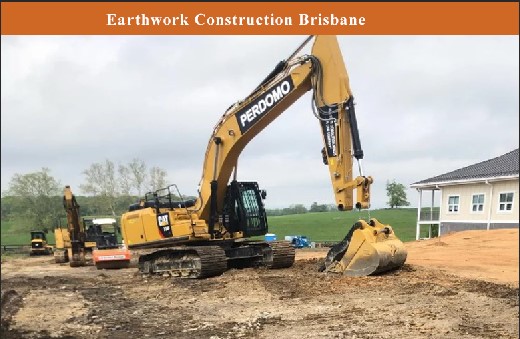
Earthwork excavation is the process of removing soil, rock, or other materials from the ground to prepare a site for construction. It is one of the first and most important steps in civil engineering projects such as buildings, roads, bridges, dams, and pipelines. The excavation is carried out according to the design specifications to achieve the required depth, shape, and level. Heavy machinery such as excavators, bulldozers, loaders, and dump trucks are commonly used to perform the work efficiently. Proper planning, surveying, and safety measures are essential during excavation to prevent accidents, ensure stability, and minimize environmental impact. The excavated material may be reused as backfill or disposed of at approved locations, depending on the project requirements.
What Is Earthwork in Civil Engineering?
While “earthwork in construction” usually refers to project-level site preparation, earthwork in civil engineering takes a broader, more technical view. Civil engineers assess earthwork in terms of soil mechanics, load-bearing capacity, slope stability, and long-term drainage behaviour — factors that inform how a site should be cut, filled, and compacted before any building design is finalised.
Earthworks engineering is central to infrastructure projects like roads, subdivisions, and large developments, where getting the ground plan wrong can affect an entire street or estate, not just a single block. Engineers calculate cut-and-fill volumes, specify compaction standards, and design drainage systems that will hold up over decades, not just through the construction phase.
For homeowners and builders, this distinction matters because it shapes what documentation or engineering sign-off may be required before earthwork can legally proceed on a given site.
Earthwork Process
A well-run earthwork process generally follows a consistent sequence, regardless of project size.
1. Site assessment and survey — understanding existing ground levels, soil type, and drainage patterns before any machinery arrives.
2. Clearing and stripping — removing vegetation, topsoil, and any debris from the work area.
3. Cut and fill — excavating higher areas and using that material (or imported fill) to raise lower areas, achieving the design levels.
4. Excavation — digging for footings, trenches, services, or basements as required by the build.
5. Compaction — mechanically compressing soil layers to create a stable, load-bearing base and reduce future settlement.
6. Grading and drainage — shaping the final surface to direct water away from structures and prevent pooling or erosion.
Once earthwork is complete, many Brisbane sites move straight into retaining wall construction, particularly on sloped blocks where cut-and-fill has created level changes that need to be held back safely.
What Are the Benefits of Earthwork?
Proper earthwork isn’t just a box to tick before construction — it delivers real, lasting benefits.
Structural stability: A well-prepared, compacted base reduces the risk of foundation cracking or settlement over time.
Better drainage: Correct grading directs water away from buildings, protecting foundations and reducing erosion.
Cost savings later: Addressing site issues before building starts is far cheaper than fixing them after construction is complete.
Site usability: Levelling and shaping land makes it easier to plan driveways, gardens, and outdoor living areas.
Compliance and safety: Proper earthwork helps ensure the site meets council and engineering requirements, reducing the risk of costly delays or rework.
In short, investing in quality earthwork upfront protects the value and longevity of everything built afterward.
How Much Does Earthwork Cost?
Earthwork cost in Brisbane varies significantly from site to site, so there’s no single figure that applies across the board. Instead, several key factors influence the final cost:
- Soil type: Rocky, clay-heavy, or unstable soils typically require more time and specialised equipment than straightforward sandy or loamy ground.
- Site access: Tight, sloped, or restricted-access blocks can limit machinery options and slow down the work.
- Area size and scope: Larger sites or projects requiring significant cut-and-fill naturally involve more time and material movement.
- Drainage and retaining requirements: Sites needing extensive drainage works or retaining structures add to the overall scope.
- Fill material: Whether existing soil can be reused on-site or fill needs to be imported affects both cost and timeline.
Because every site is different, the most accurate way to understand earthwork costs for your project is a site assessment and tailored quote, rather than relying on a generic rate.
Looking to Start an Earthwork Project?
If you’re planning a build, extension, or land development in Brisbane, getting your earthwork right from the start sets the tone for everything that follows. At APTBuildGroup, we’ve handled earthwork projects across a wide range of sites and soil conditions, and we know what it takes to prepare Brisbane land properly — the first time.
Get in touch with our team for a site assessment and personalised quote, and let’s make sure your project starts on solid ground.
[Contact APTBuildGroup for an Earthwork Quote →]
Frequently Asked Questions
What’s the difference between earthworks and excavation?
Earthworks is the broader term covering all ground-shaping activities on a site — clearing, cutting, filling, grading, and compaction. Excavation is one specific part of that process, referring to the digging out of soil for foundations, trenches, or basements.
How long does an earthwork project take?
Timelines depend on site size, soil conditions, and scope of work. A straightforward residential block might take a few days, while larger or more complex sites with significant cut-and-fill or drainage work can take several weeks.
Do I need council approval for earthworks in Brisbane?
Many earthwork projects in Brisbane require council approval, particularly where significant cut-and-fill, retaining structures, or changes to stormwater flow are involved. Requirements vary by site and local planning scheme, so it’s worth checking before work begins.
What equipment is used for earthwork projects?
Common equipment includes excavators, bobcats, bulldozers, compactors, and tip trucks, with the specific mix depending on site size, access, and the type of work required.
Can earthwork be done in wet weather or rainy season?
Some earthwork can continue in light rain, but heavy or prolonged wet weather typically halts work, since saturated soil is harder to compact properly and can compromise the stability of the finished site. Experienced contractors plan around forecasts to minimise delays and rework.
Read more blogs:
Earthwork Construction Brisbane | Why Timber Fencing Remains a Popular Choice for Homeowners | Stylish Pool Fencing Designs for Brisbane Homes | Pool Fence Maintenance Mistakes | Pool Fencing Safety Regulations