What Is a Concrete Plinth? Importance, Uses, and Benefits in Construction
What Is a Concrete Plinth in modern construction, the strength and durability of a structure depend heavily on its foundation and supporting elements. One such essential component is the concrete plinth. At APTBuildGroup, we understand that even the smallest structural details can have a major impact on the longevity and performance of a building. Whether it’s a residential home or a large-scale commercial project, a well-constructed concrete plinth plays a vital role in ensuring structural integrity and protection.
What Is a Concrete Plinth?
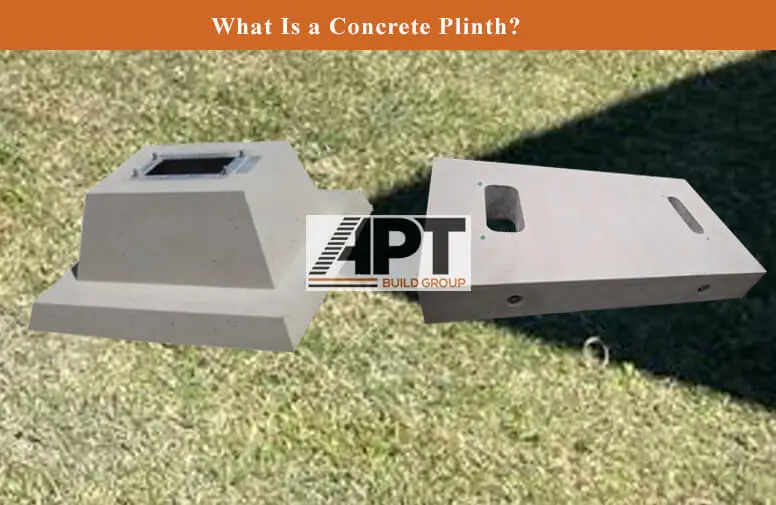
A concrete plinth is a horizontal base or platform constructed between the ground level and the building structure. It is typically built using reinforced concrete and is positioned at the bottom of walls or columns. The primary purpose of a plinth is to elevate the structure above ground level, creating a barrier that protects the building from moisture, water ingress, and environmental damage.
In Australian construction practices, plinths are especially important due to varying soil conditions and weather patterns. By raising the building slightly above the surrounding ground, a plinth helps reduce the risk of dampness and structural weakening over time.
At APTBuildGroup, we ensure that every plinth is designed and constructed with precision, taking into account soil type, site conditions, and load-bearing requirements.
Importance of a Concrete Plinth
A concrete plinth is not just a structural addition—it is a critical component that enhances the safety, durability, and performance of a building. Here’s why it matters:
Protection Against Moisture
One of the biggest threats to any structure is moisture. Water can seep into walls through capillary action, leading to dampness, mould growth, and structural damage. A concrete plinth acts as a protective barrier, preventing ground moisture from rising into the building.
In regions with heavy rainfall or poor drainage, this protection becomes even more crucial. At APTBuildGroup, we incorporate moisture-resistant techniques and materials to ensure long-term protection.
Structural Stability
A plinth distributes the load of the building evenly across the foundation. This helps prevent uneven settlement, which can lead to cracks and structural issues over time.
By providing a stable base, the plinth ensures that walls and columns remain properly aligned and supported. This is especially important in areas with reactive or shifting soils.
Enhanced Durability
Buildings that are exposed directly to ground-level conditions are more vulnerable to wear and tear. A concrete plinth raises the structure above these conditions, reducing exposure to water, debris, and soil movement.
This significantly improves the lifespan of the building, making it a cost-effective investment in the long run.
Improved Aesthetic Appeal
While primarily functional, a plinth also contributes to the overall appearance of a building. It creates a defined base that enhances the visual structure and elevation of the property.
At APTBuildGroup, we ensure that plinth designs complement the architectural style of the project, providing both functionality and aesthetic value.
Uses of Concrete Plinths
Concrete plinths are widely used across different types of construction projects. Their versatility makes them a standard feature in many structures.
Residential Buildings
In homes, plinths are used to elevate the structure above ground level, protecting it from moisture and flooding. They also provide a solid base for walls and flooring systems.
Whether it’s a new home build or a renovation project, APTBuildGroup ensures that the plinth is constructed to meet Australian standards and site-specific requirements.
Commercial Structures
Commercial buildings often require stronger and more durable foundations due to heavier loads. Concrete plinths help distribute these loads effectively, ensuring stability and safety.
They are commonly used in offices, retail spaces, and industrial facilities.
Boundary Walls
Plinths are frequently used in boundary wall construction to provide a stable base and prevent soil erosion. They help maintain the alignment and durability of the wall over time.
Industrial Applications
In industrial settings, plinths are used to support machinery, equipment, and structural frameworks. Their strength and load-bearing capacity make them ideal for heavy-duty applications.
APTBuildGroup has extensive experience in constructing plinths for industrial projects, ensuring they meet strict performance and safety standards.
Benefits of Concrete Plinths
The advantages of incorporating a concrete plinth into your construction project go beyond basic support. Here are some key benefits:
Prevents Water Damage
By elevating the structure, a plinth reduces the risk of water entering the building during heavy rains or flooding. This is particularly important in low-lying areas.
Reduces Maintenance Costs
Moisture-related issues such as mould, cracks, and structural damage can be costly to repair. A well-built plinth minimises these risks, reducing long-term maintenance expenses.
Improves Thermal Insulation
A plinth can help regulate temperature by creating a separation between the ground and the building. This can contribute to improved energy efficiency, especially when combined with proper insulation techniques.
Supports Structural Integrity
A strong plinth ensures that the entire building remains stable and secure. It acts as a reliable base that supports the weight and load of the structure.
Adaptable to Various Designs
Concrete plinths can be customised to suit different architectural styles and site conditions. Whether it’s a raised home, a split-level design, or a commercial complex, plinths can be tailored to meet specific needs.
Construction Process of a Concrete Plinth
At APTBuildGroup, we follow a systematic approach to ensure that every plinth is built to the highest standards:
Site Preparation
The process begins with site assessment and soil testing. This helps determine the appropriate design and materials required for the plinth.
Excavation and Foundation
The ground is excavated to the required depth, and a foundation is prepared to support the plinth. This may include compacted soil, gravel, or a concrete base.
Reinforcement
Steel reinforcement is added to the plinth to enhance its strength and load-bearing capacity. This is a critical step in ensuring durability.
Concrete Pouring
High-quality concrete is poured into the formwork and allowed to set. Proper curing is essential to achieve the desired strength and performance.
Finishing
Once the concrete has cured, the plinth is finished to ensure a smooth and level surface. Additional treatments may be applied for moisture resistance and durability.
Why Choose APTBuildGroup?
At APTBuildGroup, we take pride in delivering high-quality construction solutions tailored to our clients’ needs. Our approach to building concrete plinths is based on precision, expertise, and a commitment to excellence.
We understand that every project is unique, which is why we customise our methods to suit the specific requirements of each site. From residential builds to large-scale commercial developments, our team ensures that every plinth is constructed to provide maximum strength, durability, and protection.
Our experience in the Australian construction industry allows us to address challenges such as soil movement, weather conditions, and drainage issues effectively. By choosing APTBuildGroup, you can be confident that your project is built on a solid foundation—literally.
Conclusion of What Is a Concrete Plinth?
A concrete plinth is a fundamental element in construction that plays a crucial role in protecting and supporting a building. From preventing moisture damage to enhancing structural stability, its importance cannot be overstated.
Whether you’re building a new home, upgrading a commercial property, or working on an industrial project, investing in a well-designed concrete plinth is essential for long-term success.
At APTBuildGroup, we are committed to delivering reliable and durable construction solutions that stand the test of time. By focusing on quality, innovation, and attention to detail, we ensure that every project we undertake is built on a strong and dependable foundation.
What is a concrete plinth in construction?
A concrete plinth is a horizontal base built between ground level and a building structure to provide support, stability, and protection from moisture.
Why is a concrete plinth important?
It helps protect buildings from dampness, improves structural strength, and prevents water damage by raising the structure above ground level.
What materials are used to build a concrete plinth?
Concrete plinths are typically made using cement, sand, aggregates, water, and steel reinforcement for added strength.
Where are concrete plinths commonly used?
They are used in residential homes, commercial buildings, industrial structures, and boundary walls.
How does a plinth prevent moisture damage?
A plinth acts as a barrier that stops ground moisture from rising into the walls, reducing the risk of dampness and mould.
What is the standard height of a concrete plinth?
The height can vary depending on site conditions, but it is usually designed to be above ground level to prevent water entry.
Is a concrete plinth necessary for all buildings?
While not always mandatory, it is highly recommended for most structures, especially in areas prone to rain or poor drainage.
How long does a concrete plinth last?
With proper construction and maintenance, a concrete plinth can last for decades without significant issues.
Can a concrete plinth improve building durability?
Yes, it increases the lifespan of a structure by protecting it from environmental damage and ensuring better load distribution.
How is a concrete plinth constructed
It involves site preparation, excavation, reinforcement with steel, pouring of concrete, curing, and finishing to ensure strength and durability.
Read more blogs:
What Are the Failures of Cantilever Retaining Wall? | What Is the Anchored Wall Construction Method? | When Is an Anchored Retaining Wall Needed? | What are the advantages and Disadvantages of a cantilever retaining wall?