Pool Fencing Safety Regulations: What Brisbane Homeowners Must Know
At APTBuildGroup Brisbane, we work with homeowners every day who are surprised to learn how detailed pool fencing safety regulations can be in Queensland. Whether you are building a new swimming pool, renovating an existing one, or purchasing a property with a pool, understanding the legal requirements around pool fencing safety regulations is not just advisable — it is essential. Ignoring these standards can result in hefty fines, legal liability, and most tragically, preventable accidents involving young children.
Why Pool Fencing Safety Regulations Exist
Pool fencing safety regulations have been implemented across Queensland — and specifically enforced across Brisbane — because drowning remains one of the leading causes of accidental death among children under five years of age. The Queensland Development Code and the Building Act 1975 set out clear, enforceable guidelines that every pool owner must follow. At APTBuildGroup Brisbane, we believe that every family deserves a safe backyard, and compliance with these regulations is the foundation of that safety. These laws are designed not to burden homeowners but to protect the most vulnerable members of your household.
The Queensland Pool Safety Standard
Under Queensland law, all swimming pools must comply with the Pool Safety Standard as governed by the Queensland Development Code Mandatory Part 3.4. This standard applies to all pools that are capable of holding more than 300 millimetres of water. The regulations require that a compliant pool fence be installed around the pool to restrict unsupervised access by children under five. APTBuildGroup Brisbane specialises in designing and installing fencing solutions that fully meet this standard, ensuring our clients are legally protected and their families are safe at all times.
Pool Safety Certificates and Compliance Checks
One of the most important aspects of pool fencing safety regulations in Queensland is the requirement for a Pool Safety Certificate. This certificate is required when selling or leasing a property that has a pool. A licensed pool safety inspector must assess the pool fence and surrounding barriers before this certificate can be issued. APTBuildGroup Brisbane recommends that all homeowners arrange regular inspections even when a sale or lease is not imminent, as proactive compliance prevents last-minute scrambles and ensures ongoing safety throughout the year.
Barrier Height and Gap Requirements
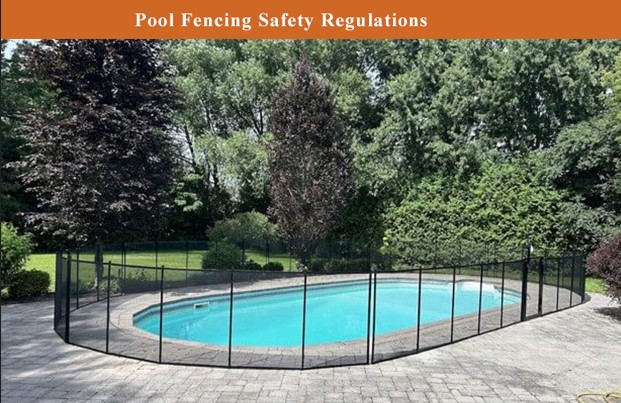
Pool fencing safety regulations in Queensland specify very precise requirements regarding the height and gap measurements of pool barriers. The minimum fence height must be 1200 millimetres from the finished ground level, and there must be no climbable objects within 900 millimetres of the fence on the non-pool side. Additionally, gaps in the fence must not exceed 100 millimetres, and the bottom clearance between the fence and ground must not be more than 100 millimetres. At APTBuildGroup Brisbane, our installation teams are trained to measure and verify every dimension before final handover, eliminating the risk of non-compliance.
Self-Closing and Self-Latching Gates
Gates are often the most vulnerable point in any pool barrier system. Pool fencing safety regulations require that all gates accessing the pool area must be self-closing and self-latching. The latch must be positioned on the pool side of the gate at a minimum height of 1500 millimetres, or it must be shielded to prevent young children from reaching it. APTBuildGroup Brisbane installs only commercial-grade gate hardware that meets these specifications, and we also offer periodic hardware checks to ensure latches and hinges continue to perform correctly after years of use and Queensland’s harsh weather conditions.
Non-Climbable Zones Around Pool Fences
A critical but often overlooked component of pool fencing safety regulations is the concept of the non-climbable zone (NCZ). This is a 900-millimetre arc measured from the top of the fence on the outside that must be completely free from any objects that a child could use to climb over the barrier. This means outdoor furniture, garden features, irrigation equipment, and even overhanging vegetation must be kept well clear. APTBuildGroup Brisbane conducts a thorough site assessment before any fence installation, identifying potential non-climbable zone breaches and advising homeowners on how to remediate them.
Shared Boundary Fences and Neighbour Agreements
Pool fencing safety regulations in Queensland also address situations where a pool fence shares a boundary with a neighbour’s property. In these cases, the shared fence must still meet the full pool safety standard, and written agreements between neighbours may be required. APTBuildGroup Brisbane has extensive experience navigating these complex boundary situations, working collaboratively with neighbours and local council representatives to ensure solutions that satisfy all parties. Our team handles all documentation and council submissions, making the process as seamless as possible for Brisbane homeowners.
Frequently Asked Questions — Pool Fencing Safety Regulations
Q1: Do I need a pool safety certificate even if I am not selling my property?
A: While a pool safety certificate is legally mandatory when selling or leasing a property in Queensland, APTBuildGroup Brisbane strongly recommends obtaining one periodically regardless. It confirms your fence complies with current pool fencing safety regulations and helps you avoid fines during council inspections.
Q2: How high does my pool fence need to be in Brisbane?
A: Under Queensland pool fencing safety regulations, the minimum height is 1200 millimetres measured from the finished ground level. APTBuildGroup Brisbane ensures all installations meet or exceed this requirement.
Q3: Can I use my house wall as part of the pool barrier?
A: Yes, in some configurations, a house wall can form part of the pool barrier under Queensland regulations. However, strict rules apply regarding door access and the use of non-climbable zones. APTBuildGroup Brisbane can assess your specific layout and advise accordingly.
Q4: What happens if my pool fence fails an inspection?
A: If your fence fails a pool safety inspection, you will be given a notice to rectify the issues within a set timeframe. Continued non-compliance can result in significant fines. APTBuildGroup Brisbane offers a rapid remediation service to bring your fence up to standard quickly.
Q5: How often should I have my pool fence inspected?
A: APTBuildGroup Brisbane recommends an annual inspection of your pool fence, even if one is not legally required at that time. Regular checks help identify wear, damage, or compliance drift before they become costly issues.
Read related articles and blogs:
Pool Fencing Safety Regulations | Soil Retaining Walls & Slope Retention Systems in 2026 | Pool Fencing Trends in 2026